

There are several reasons, and they can vary depending on the industry. Generally speaking, business fraud tends to spike during the holidays because a perfect storm is at play: increased opportunity, distracted employees, and higher transaction volume all converge at the same time.
Fraudsters take advantage of these conditions. With people busy shopping, closing year-end books, or taking time off, it becomes easier to hide fraudulent activity. For example, email scams often surge right after Thanksgiving when employees are distracted. Criminals target busy companies and industries where the rush of activity makes it less likely that irregularities will be detected quickly.
One of the most common types is asset misappropriation. For example, in warehouse or distribution businesses, employees may take advantage of the fast pace to steal merchandise — slipping extra items out with outgoing orders, knowing it’s less likely to be noticed amid high volume.
Another frequent issue involves employees abusing their positions for personal gain. This could include accepting improper payments or holiday favors from vendors, diverting resources to side businesses, or misusing company funds.
Finally, some cases involve financial manipulation or “cooking the books.” Toward the end of the year, employees under pressure to meet goals might alter accounting records to make results appear stronger than they are. While less common than theft or vendor-related misconduct, this kind of fraud can be particularly damaging.
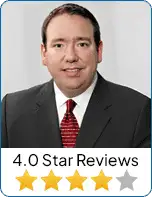
Craig Donnelly, founding attorney of Donnelly Law LLC, has extensive experience helping Illinois businesses prevent, investigate, and recover from internal fraud.
Drawing on over two decades of legal practice in business and insurance law, Craig Donnelly has guided companies through complex fraud investigations, employee misconduct cases, and insurance recovery claims. His proactive, prevention-focused strategies help clients strengthen internal controls and protect their bottom line, especially during high-risk seasons like the holidays.
If your business suspects or wants to prevent fraud, contact Donnelly Law LLC today for trusted, experienced legal guidance.
Fraud can’t be completely prevented, but it can be mitigated and detected early through strong internal controls. Companies should:
Consistency is key. Even small exceptions can create loopholes that employees may exploit. During the year-end rush, it’s especially important to enforce expense policies strictly, even when it seems inconvenient. Vigilance during this period can make the difference between catching a small issue early and discovering a costly fraud later.
Yes, some business insurance policies can cover losses caused by internal fraud, but this coverage isn’t always included by default. In most cases, you’ll need to add it as a special endorsement or even a separate policy.
Companies should review their insurance coverage with their brokers, particularly if they operate in industries that involve cash handling, inventory management, or frequent vendor relationships, all areas where internal fraud risks are higher.
Once fraud is discovered, mitigation becomes the priority. Legal counsel plays an essential role at this stage by:
While discovering internal fraud can be discouraging, prompt legal guidance helps minimize financial damage and prevent similar issues in the future.
For more information on business fraud prevention in Illinois, an initial consultation is your next best step. Get the information and legal answers you are seeking by calling (630) 274-6196 today.

Craig Donnelly, founding attorney of Donnelly Law LLC, has extensive experience helping Illinois businesses prevent, investigate, and recover from internal fraud.
Drawing on over two decades of legal practice in business and insurance law, Craig Donnelly has guided companies through complex fraud investigations, employee misconduct cases, and insurance recovery claims. His proactive, prevention-focused strategies help clients strengthen internal controls and protect their bottom line, especially during high-risk seasons like the holidays.
If your business suspects or wants to prevent fraud, contact Donnelly Law LLC today for trusted, experienced legal guidance.